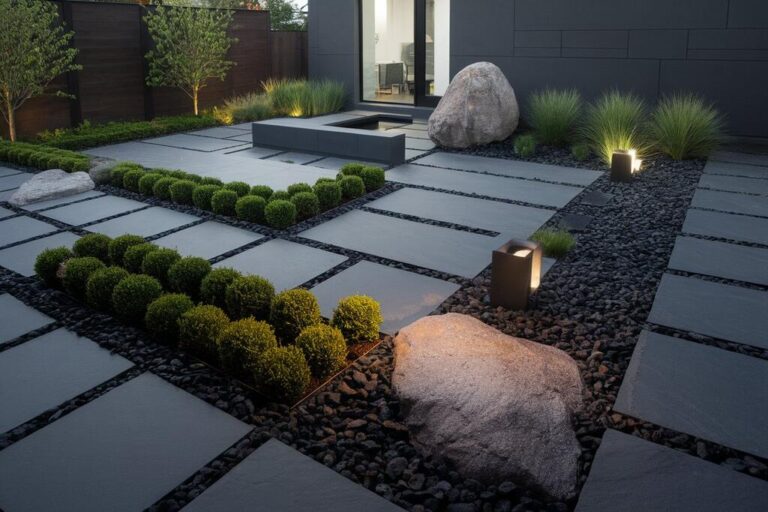
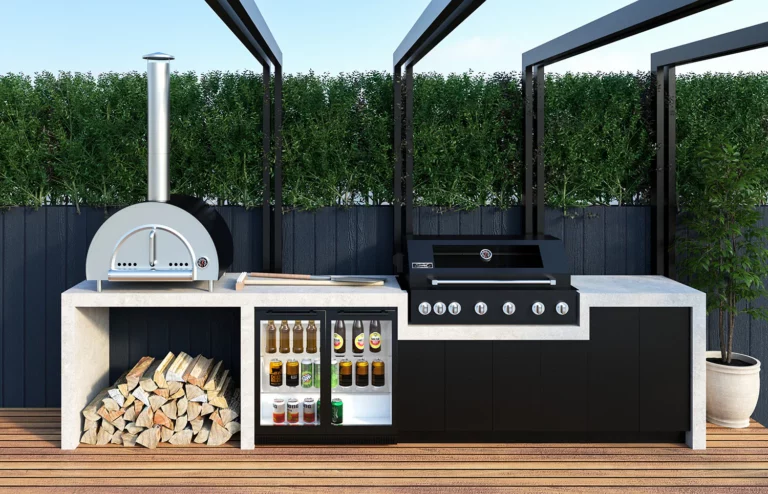
Modern Backyard Concrete Design Ideas for 2025: Stylish, Sustainable & Smart Spaces
Concrete is no longer just a utilitarian material. In today’s modern backyard designs, it plays a starring role in creating sleek, functional, and durable outdoor environments. Whether it’s used for patios, walkways, seating, or fire features, concrete offers an unmatched blend of aesthetics and practicality. This guide explores the latest modern backyard concrete trends, practical benefits, and real-world examples to inspire your next outdoor transformation.
Understanding Modern Backyard Concrete Design
Modern backyard concrete design refers to the contemporary application of concrete in shaping outdoor spaces that are not only durable but also visually striking and highly functional. This design approach emphasizes clean lines, geometric forms, neutral color palettes, and seamless integration with the home’s existing architecture.
While concrete was once viewed merely as a plain gray slab, it has undergone a dramatic transformation. Thanks to advancements in surface finishes, staining techniques, texturing methods, and formwork systems, concrete today is a highly adaptable medium. It can be polished for a sleek look, stamped to mimic stone or tile, exposed for added texture, or even colored and cast into modular units to create unique, custom spatial layouts.
In modern backyard settings, concrete is prized not just for its strength and low maintenance, but also for its aesthetic versatility. It pairs effortlessly with natural wood, black metal, glass, and lush greenery, making it an ideal material for those seeking to create a balanced, contemporary landscape. Whether used for patios, retaining walls, fire pits, walkways, or planters, concrete offers endless possibilities for elevating outdoor design while maintaining functionality.
Types of Concrete Features in Modern Backyards
Modern backyard landscapes often include a variety of concrete features that blend both form and function:
-
Concrete Patios: Smooth or stamped surfaces for dining, lounging, or outdoor kitchens.
-
Concrete Paths and Steppers: Geometric paths that define flow and structure.
-
Concrete Fire Pits: Durable and stylish focal points for gathering.
-
Concrete Planters: Minimalist containers that elevate the look of plantings.
-
Concrete Seating: Integrated benches or block-style seating for permanence and style.
-
Concrete Walls and Edging: For defining spaces and enhancing privacy with structure.
Each of these applications contributes to the visual clarity and architectural coherence of a modern backyard.
1. Polished Concrete Patio with Integrated Drainage System
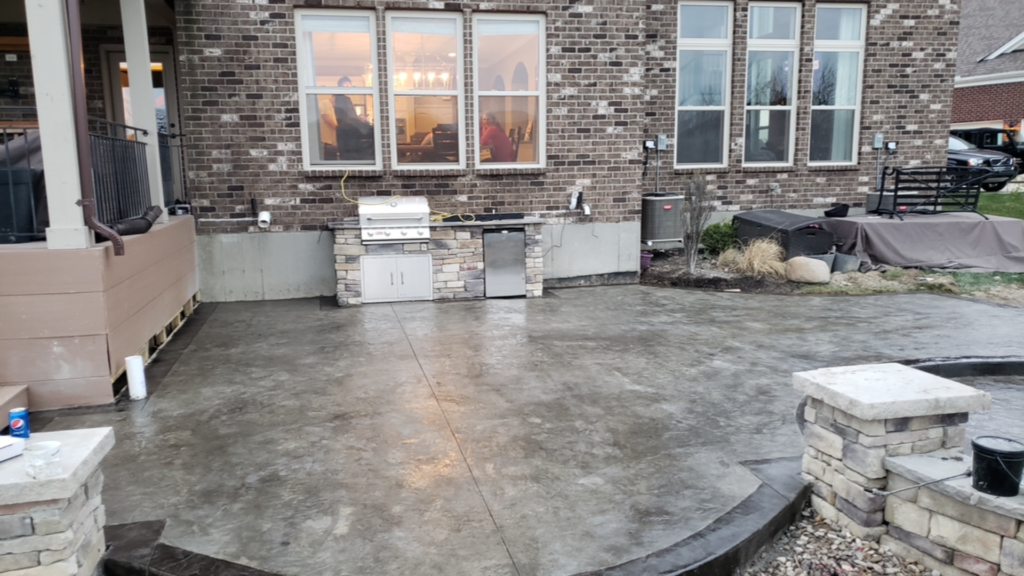
A residence in San Diego features a polished concrete patio with integrated linear drains for water control. The surface is tinted with a soft charcoal hue to complement the minimalist stucco house.
Polished concrete offers a smooth, glossy finish that’s easy to clean and resistant to weather. The slight sheen reflects ambient lighting, especially during evenings, adding depth and elegance to the backyard without sacrificing durability.
This design showcases how concrete can be both practical and luxurious when applied with modern techniques. The hidden drainage system helps maintain the space without disrupting the clean visual lines.
2. Geometric Concrete Stepping Stones with Grass Inlays
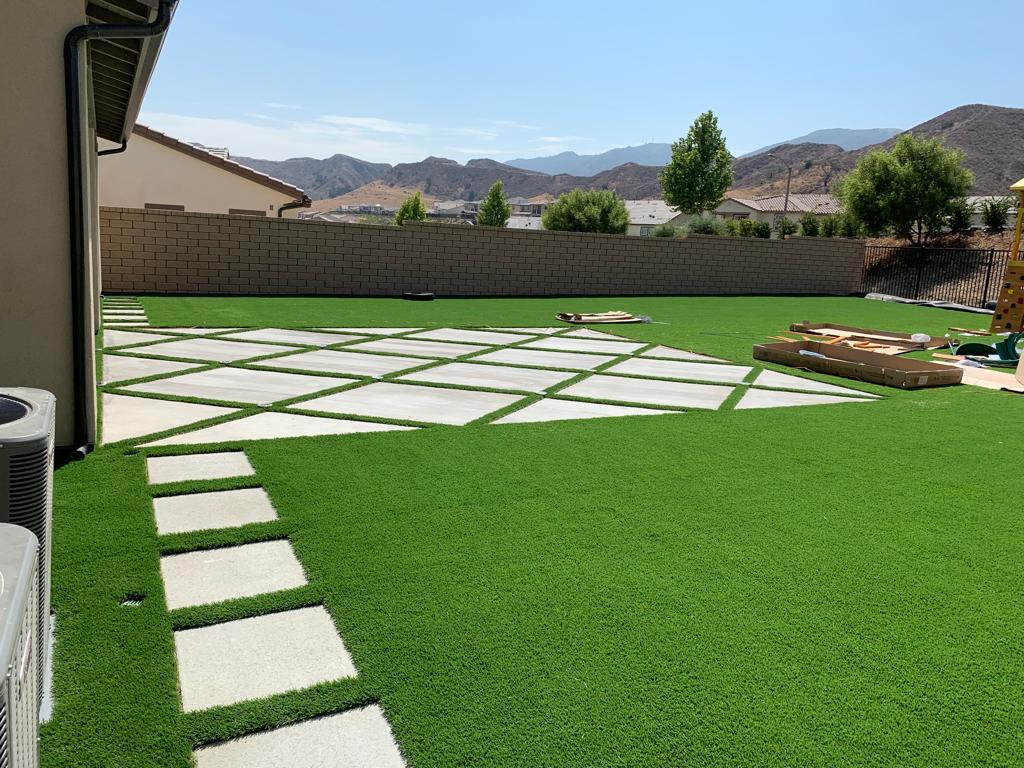
A backyard in Portland utilizes square concrete pavers arranged in a grid pattern with groundcover grass growing between the gaps. This layout visually stretches the yard and adds a greenery contrast.
Each paver is precast with a lightly textured surface for slip resistance. The uniformity of the geometry aligns with the modern architecture of the adjacent home.
This approach demonstrates how concrete can guide movement through the yard while also creating an open, breathable aesthetic. The alternating pattern of green and gray softens the hardscape and promotes water infiltration.
3. Precast Concrete Fire Pit with Modular Seating
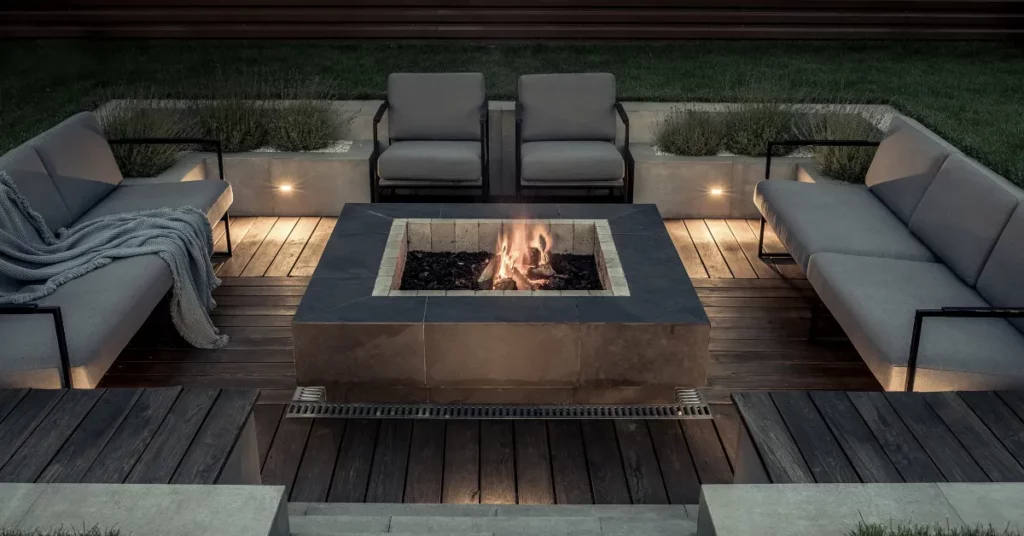
In Austin, Texas, a backyard setup includes a large circular precast concrete fire pit surrounded by modular block seating also made from concrete. The layout fosters a communal feel and frames the central flame feature.
The fire pit is made with high-heat concrete and has a built-in drainage cavity to prevent water buildup. The modular blocks double as both seating and casual end tables.
This example highlights how concrete can create multifunctional social spaces that are fire-resistant, long-lasting, and visually integrated into a clean landscape plan.
4. Concrete Wall Planters with Vertical Herb Garden
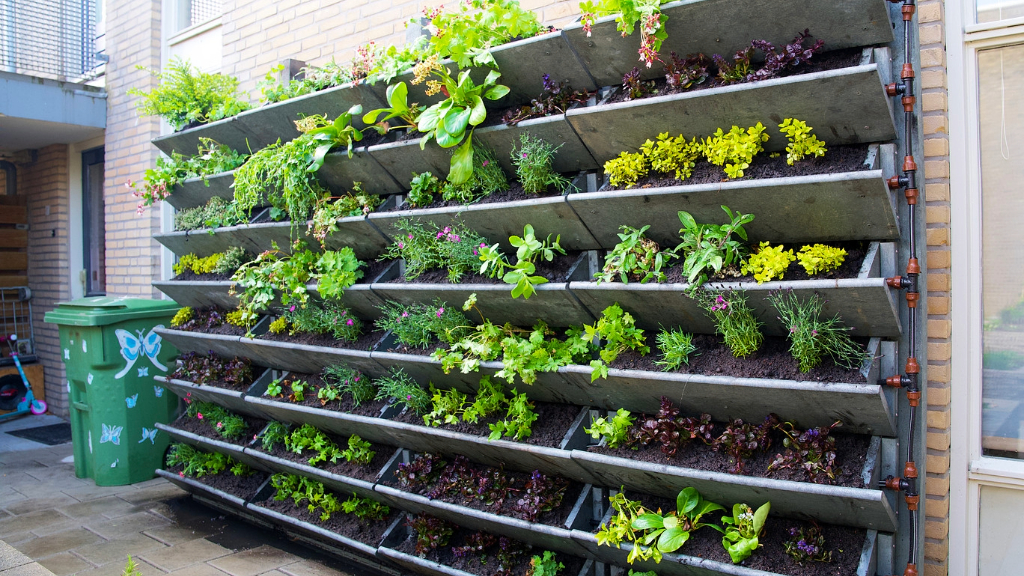
A compact backyard in San Francisco makes the most of its limited footprint with a smart vertical garden design. Custom concrete wall planters are seamlessly integrated into a modern privacy fence, forming a tiered arrangement of trough-style containers that hold a variety of herbs and succulents. This vertical layering not only adds depth but also brings natural texture and color to the space.
To support healthy growth while conserving resources, each planter is equipped with a smart drip irrigation system. This system delivers water directly to the roots with pinpoint precision, minimizing waste while promoting lush, low-maintenance greenery. As a result, the garden remains vibrant with minimal effort, even in dry urban climates.
Visually, the raw, industrial surface of the concrete provides a striking contrast to the soft textures of the plants. This creates an eye-catching blend of modern materiality and organic form. What could have been a purely functional element instead becomes an artistic, space-saving feature.
This installation serves as a perfect example of how vertical concrete landscaping can transform small urban backyards. By combining modern aesthetics, efficient irrigation, and compact design, it illustrates how concrete can support sustainable outdoor living without compromising on style or functionality.
5. Floating Concrete Steps over a Reflecting Pool
In a dramatic design found in Scottsdale, Arizona, floating concrete steps span across a shallow reflecting pool, leading from the home’s living room into the backyard seating area.
Each step is cantilevered from a hidden steel base, giving the illusion of levitation. The surrounding water reflects the geometry of the steps and the structure behind them, enhancing the modern aesthetic.
This concept shows how concrete can become a sculptural element in landscape design, combining movement, light, and form into a stunning architectural moment.
Benefits of Using Modern Concrete in Backyards
Durability and Longevity
Concrete is one of the most durable outdoor materials, able to withstand weather changes, heavy use, and even fire. With proper installation and sealing, polished concrete offers exceptional resistance to cracking, abrasion, and moisture penetration, ensuring structural integrity for decades.
Versatile Finishing Options
From polished to stamped, brushed, exposed aggregate, and acid-stained, concrete offers a wide palette of textures and colors. This allows designers to match the material to nearly any architectural style or personal taste.
Eco-Friendly Possibilities
Modern concrete mixes can incorporate recycled materials like fly ash, glass, and slag. Permeable concrete options allow water to seep through, reducing runoff and aiding in groundwater recharge.
Cost-Effective Over Time
While initial installation costs vary, concrete’s low maintenance and long life make it highly cost-effective. It requires little upkeep beyond periodic sealing and occasional cleaning.
Design Flexibility
Concrete’s moldable nature makes it ideal for customized shapes, insets, and integration with lighting, drainage, or smart features. It can be shaped into any layout—from soft curves to rigid grids—supporting any landscape goal.
Use Cases: Solving Real Backyard Challenges with Concrete
Maximizing Small Spaces
Concrete can be formed into multi-functional structures like seating that doubles as storage or planters that serve as privacy screens. These solutions are ideal for tight urban backyards where every inch matters.
Sloped or Uneven Terrain
Backyards with challenging topography can use terraced concrete retaining walls or steps to create functional flat zones. This prevents erosion and adds structure to otherwise unusable land.
Low-Maintenance Living
For homeowners who want to avoid constant upkeep, concrete surfaces eliminate the need for lawn mowing, replanting, or heavy watering. A well-planned layout with drought-tolerant plants and hardscapes provides year-round usability.
Outdoor Entertaining
Concrete patios and outdoor kitchens offer solid foundations for hosting guests. Fire pits, built-in grills, and seating elements provide permanence and withstand the elements better than many other materials.
Enhancing ModerAestheticsic
Modern homes often require minimalist landscaping to match their sleek designs. Concrete provides a consistent, clean backdrop that highlights form and structure without visual clutter.
Technology Integration in Modern Concrete Landscaping
Smart technology is increasingly merging with concrete installations in backyards. Features include:
Integrated LED Lighting
Concrete steps and patios can be embedded with LED strip lighting or path lights, seamlessly connected to smart home systems. This integrated approach enhances safety and ambiance without the need for bulky external fixtures.
Heated Concrete Surfaces
For homes in colder climates, integrating radiant heating beneath concrete surfaces is both a safety measure and a design upgrade. These systems ensure walkways and patios remain clear of snow and ice, enhancing usability and reducing winter maintenance, all without altering the clean lines of modern backyard layouts.
Permeable Concrete and Drainage Control
New concrete mixes allow for permeability, which supports natural water flow and reduces runoff. These systems often tie into smart irrigation networks that adjust based on rainfall.
Embedded Power Outlets and Audio
Modern concrete benches or walls can hide weatherproof electrical outlets and Bluetooth speakers. This allows outdoor spaces to function as tech-enabled extensions of the indoor living space.
Frequently Asked Questions About Modern Backyard Concrete
Is concrete suitable for all climates?
Yes, concrete performs well in various climates when installed correctly. In colder regions, expansion joints and sealants help prevent cracking from freeze-thaw cycles. In hotter areas, lighter-colored finishes reflect sunlight and reduce heat absorption.
Can concrete be eco-friendly?
Modern sustainable concrete often includes recycled content and supports permeable configurations that improve stormwater management. Furthermore, its extended lifespan decreases the frequency of replacement, making it a low-impact building material ideal for eco-conscious landscape design.
How often does backyard concrete need maintenance?
Concrete generally requires sealing every 2–5 years, ars depending on exposure and use. Regular cleaning with a broom or hose is usually sufficient. Avoid de-icing salts in winter as they can damage the surface over time.