House Painting in Your Area: Expert Tips, Use Cases, and Modern Techniques for Lasting Results
When it comes to house painting in your area, the job is about much more than changing color. Whether you live in a humid coastal town, a desert environment, or a snowy region, each location demands a different painting approach. Hiring professional painters who understand local conditions, materials, and building types ensures not just aesthetic upgrades, but real protection and long-term value.
In this comprehensive guide, we cover everything from prep work and paint selection to real-life examples, the impact of new technologies, and problems solved by modern house painting practices.
What House Painting in Different Locations Entails
Painting a house involves more than brushes and rollers. It includes preparation, environmental adaptation, safety protocols, and detailed application techniques—all of which vary by geographic region.
Regional Climate Considerations
Different climates call for different paints and methods. In humid zones, mildew-resistant paints are essential. In sunny regions, UV-blocking formulations prevent fading. Cold regions require elastic coatings that withstand freeze-thaw cycles.
Professional painters assess your location’s specific needs, such as how much sunlight hits your home, typical rainfall or snow levels, and whether wood, stucco, brick, or vinyl dominates the exterior.
Surface Preparation and Repairs
Before any paint touches a surface, prep is essential. This may include:
-
Power washing to remove dirt, mold, or algae
-
Scraping and sanding to eliminate flaking paint
-
Caulking to seal gaps or cracks
-
Priming with surface-appropriate base coats
Poor preparation leads to peeling, bubbling, and premature wear. Skilled painters understand how local conditions impact these stages, adjusting products and timing accordingly.
How Modern Technology Enhances House Painting Services
Painting has evolved far beyond manual brushes and basic finishes. Today’s house painters use digital tools, improved materials, and environmentally conscious practices to provide long-lasting, customized results.
Digital Visualization Tools
Using a photo of your actual home, digital visualizers simulate various color combinations, trims, and finishes. This technology helps homeowners make informed decisions without relying on imagination or guesswork.
It also aids in HOA approvals and ensures you avoid costly repainting due to an unwanted shade. Some software even allows you to toggle between lighting conditions—helpful if you’re unsure how a color will appear during the day versus dusk.
Smart Project Management
Top house painters now use cloud-based platforms to manage jobs, share real-time progress, and document every stage. Homeowners can view timelines, receive daily updates, and communicate efficiently with project managers.
This technology minimizes delays and increases trust, especially useful for larger or multi-phase projects like whole-home exterior and interior updates.
High-Tech Paints and Primers
Paints have become smarter. UV-reflective paints reduce surface temperatures and prevent fading. Anti-microbial paints help in high-moisture zones like bathrooms or basements. Low- and zero-VOC formulas protect indoor air quality.
In some climates, elastomeric coatings are applied to exteriors to expand and contract with changing temperatures, preventing cracking and peeling common in freeze-thaw environments.
Real-World Examples of House Painting in Different Regions
1. Coastal Home in Charleston, South Carolina
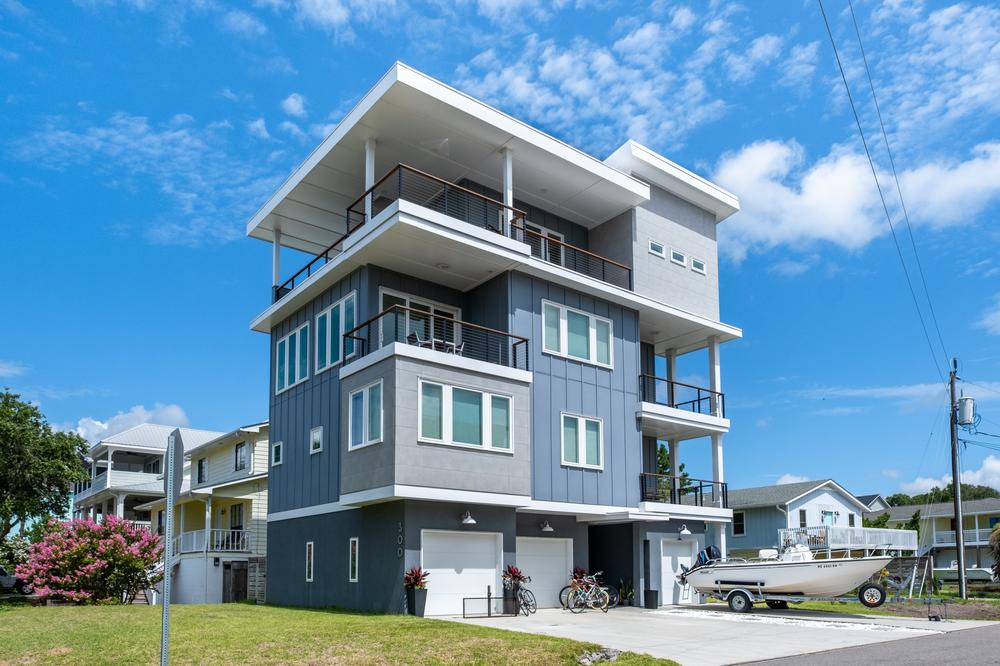
In humid, salt-air environments like Charleston, moisture and mildew are constant concerns. For this home, painters used a mildew-resistant primer followed by marine-grade exterior paint with high salt resistance. They also replaced rotted wood trim before painting.
This approach helped the home maintain its fresh appearance for over seven years without significant maintenance, ce despite heavy storms and salt exposure.
2. Desert Home in Phoenix, Arizona
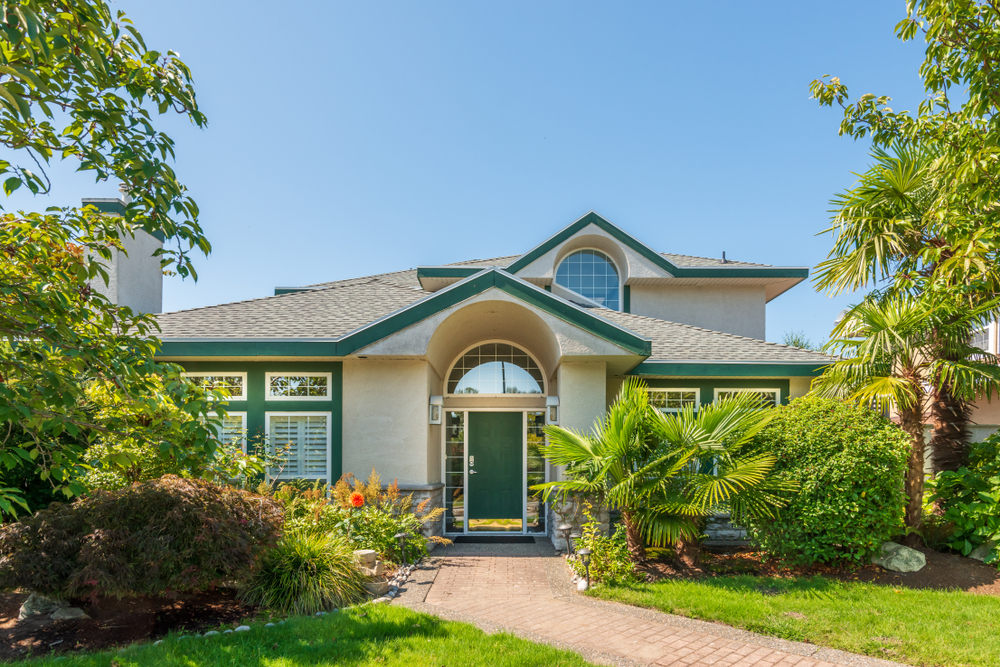
Phoenix homes face intense sun and dry air, which can rapidly fade colors and crack surfaces. This project used solar-reflective coatings to reduce heat absorption and elastomeric paint to prevent stucco cracks.
The result: lower interior temperatures, longer paint life, and reduced energy costs—crucial in a region with 100°F+ summers.
3. Snowbelt Colonial in Buffalo, New York
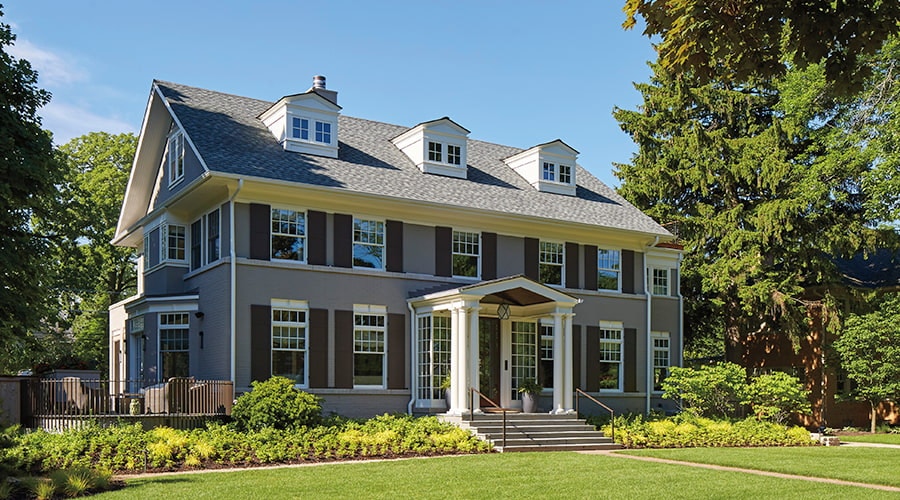
In regions with snow, ice, and freezing temperatures, flexibility in materials is critical. This colonial home required a flexible latex-based primer, followed by elastic exterior paint that can expand without cracking during freeze-thaw cycles.
The home retained its structural paint integrity for over eight winters and showed minimal, ar—thanks to the technology chosen by the painters.
4. Urban Townhome in Chicago, Illinois
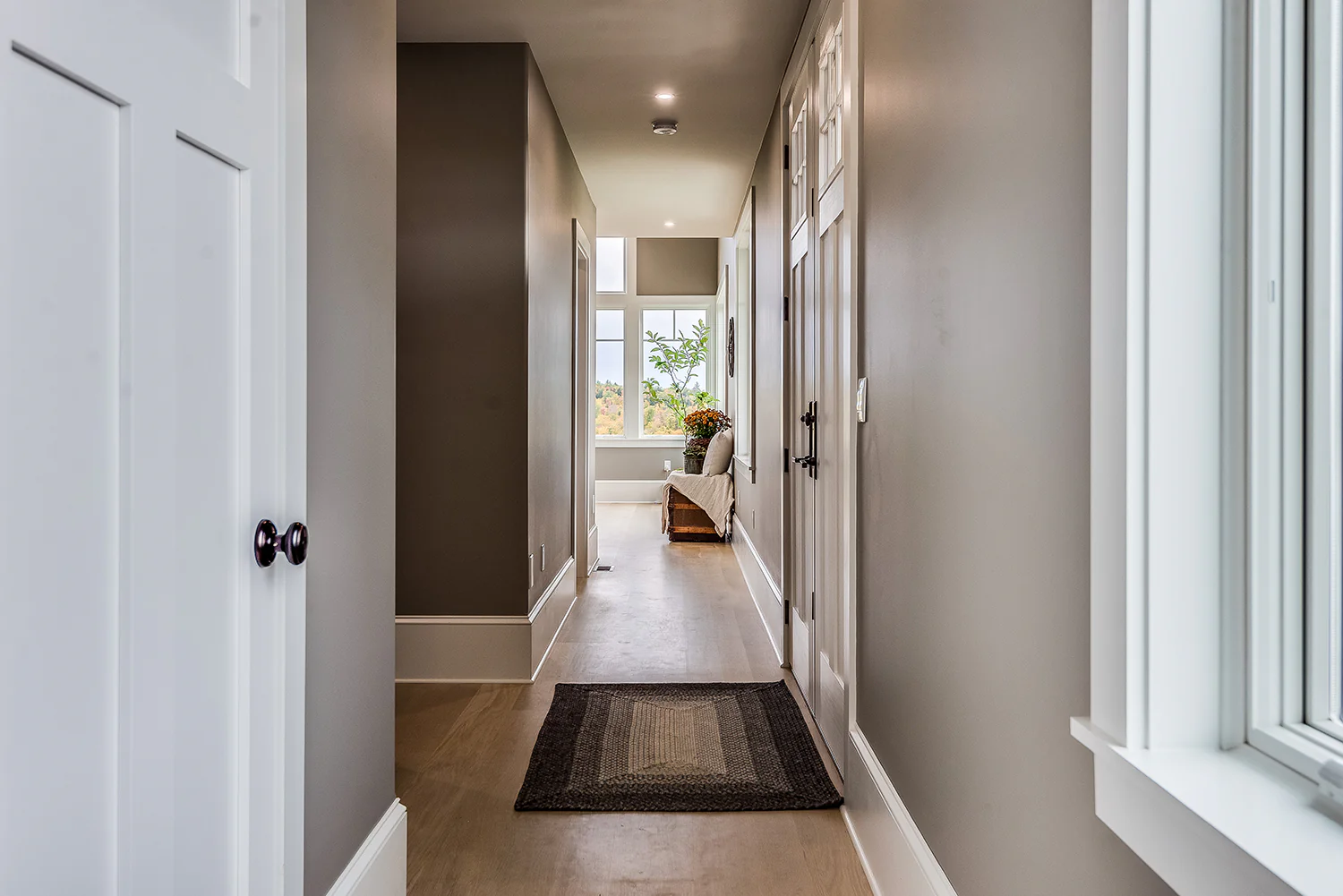
This interior project focused on eco-friendliness and indoor air quality. Painters used zero-VOC paints in bedrooms, kitchens, and nurseries. The team worked in stages to allow ventilation, and digital color matching ensured consistency throughout tight urban spaces.
The result was a clean, non-toxic refresh ideal for a family with children and pets.
5. Mountain Cabin in Lake Tahoe, California
Mountain environments bring UV exposure, snow, and humidity. For this cabin, painters applied oil-based wood stains on the deck and trim, and UV-blocking paint on the exterior walls. They also used an anti-mildew additive on north-facing walls.
The home remained vibrant and damage-free through multiple harsh winters and heavy snowfall.
Benefits of Professional House Painting in Varied Climates
Enhanced Property Value
A professionally painted home instantly increases curb appeal and signals quality maintenance to prospective buyers. In some markets, fresh paint can boost the sale price by thousands of dollars. It also helps attract faster offers.
Long-Term Protection
Paint acts as a shield against water intrusion, UV damage, insects, and mold. In snowy areas, it prevents ice from penetrating the siding. In hot areas, it deflects heat and keeps materials from drying out.
This protection reduces costly repairs like wood rot, insulation damage, and premature siding replacement.
Reduced Maintenance Costs
Modern paints last longer—up to 10–15 years with the right prep and application. Investing in higher-quality painting now means fewer touch-ups, repaints, or repairs shortly. This leads to long-term cost savings.
Improved Health and Comfort
Zero-VOC and mold-resistant paints improve indoor air quality and reduce allergens. These benefits are especially valuable for families with children, elderly members, or anyone with respiratory concerns.
Real-Life Use Cases: How House Painting Solves Everyday Problems
Curb Appeal Before Selling
Homeowners preparing to sell often turn to painters to improve first impressions. Even a simple exterior refresh can boost perceived value.
Example: A home in Raleigh, NC, received new shutters, door accents, and a modern color palette. It sold above asking price within two weeks, primarily due to improved visual appeal.
Preventing Structural Damage
Cracks, gaps, and peeling paint expose siding to moisture. Professional painting seals these vulnerabilities.
Example: A Denver homeowner noticed water leaking into the basement during spring. A full repaint with elastomeric exterior paint and sealed foundation trims resolved the issue permanently.
Adapting to Style Trends
Colors and finishes change over time. Repainting helps homeowners modernize their spaces without full renovations.
Example: A 1990s interior in Portland, Oregon transitioned from dark tan and reds to light gray and white, instantly making the home feel larger and more contemporary.
FAQs About House Painting in Your Area
How do I know what kind of paint is best for my climate?
A professional painter will assess your location, materials, and home design to recommend products suited for your condition, such as mildew-resistant paint for humid areas or solar-reflective paint for hot climates.
How long does a high-quality paint job last?
With proper prep and modern materials, exterior paint can last 7–15 years, depending on climate and surface condition. Interior paints typically last 5–10 years in low-traffic areas and less in kitchens or playrooms.
Can painting solve insulation or energy efficiency issues?
Yes. Reflective or insulating paints can reduce solar heat gain in warm regions, and sealing exterior cracks helps prevent drafts in colder climates, both leading to improved energy performance.