Best Modern Landscape Design Ideas for 2025: Trends, Benefits, and Real-World Inspiration
Modern landscape design has become more than just a visual enhancement; it’s now an integrated solution for sustainable living, functional outdoor spaces, and enhancing property value. As homeowners and architects increasingly value outdoor experiences, modern landscaping combines minimalism, technology, and sustainability to create dynamic and livable environments.
Whether you’re planning to redesign your garden, create a new outdoor living area, or update your home’s curb appeal, this article offers comprehensive insight into the best modern landscape design practices of 2025, along with examples and real-life use cases.
What Is Modern Landscape Design?
Modern landscape design refers to the art and science of planning, designing, and managing outdoor spaces that reflect contemporary aesthetics and functionality. Unlike traditional styles, modern landscapes often emphasize simplicity, clean lines, geometric shapes, and the thoughtful integration of natural and built elements.
This design approach incorporates hardscapes like concrete, steel, or timber with softscapes like ornamental grasses, native plants, and ground covers. Elements like smart irrigation, minimalistic lighting, and sustainable materials often play key roles in a modern landscape plan.
Modern landscaping is rooted in architectural harmony. The outdoor design complements the building’s structure rather than standing apart. Materials are often monochromatic or natural, with a focus on low-maintenance features and efficient use of space.
Core Principles of Modern Landscape Design
Modern landscape design follows a set of guiding principles that distinguish it from more ornate or traditional approaches:
-
Minimalism: Clean lines, uncluttered layouts, and a restrained plant palette.
-
Functionality: Outdoor spaces are designed for real use—relaxation, entertainment, dining.
-
Symmetry and Geometry: Shapes like squares, rectangles, and circles guide space organization.
-
Natural Integration: Use of native plants, green walls, and sustainable water management.
-
Material Harmony: Concrete, wood, steel, and glass are balanced with vegetation for contrast and interest.
-
Technology Integration: Smart irrigation systems, automated lighting, and water-efficient design.
Benefits of Adopting Modern Landscape Design
Modern landscape design brings practical and aesthetic value to residential and commercial properties. Here are the key benefits:
Low Maintenance and Long-Term Efficiency
Modern designs typically emphasize drought-tolerant plants and sustainable systems. Native and hardy species reduce the need for intensive gardening, while smart irrigation systems automate water usage based on weather conditions. This leads to cost savings and consistent upkeep with less manual labor.
Environmental Sustainability
The use of permeable materials, eco-friendly lighting, and energy-efficient systems makes modern landscapes environmentally conscious. Rain gardens, bioswales, and xeriscaping techniques also help manage runoff and reduce water consumption.
Improved Property Value
A well-executed modern landscape design significantly increases curb appeal and real estate value. Prospective buyers and renters often prioritize homes with stylish, low-maintenance, and functional outdoor areas.
Seamless Indoor-Outdoor Living
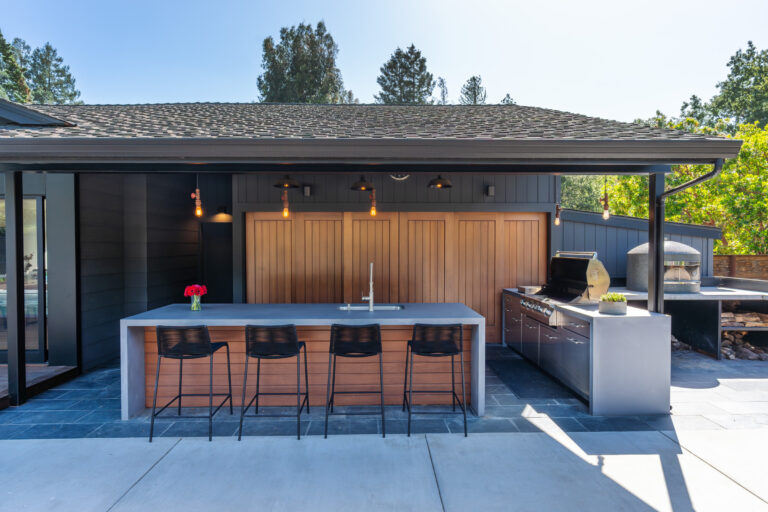
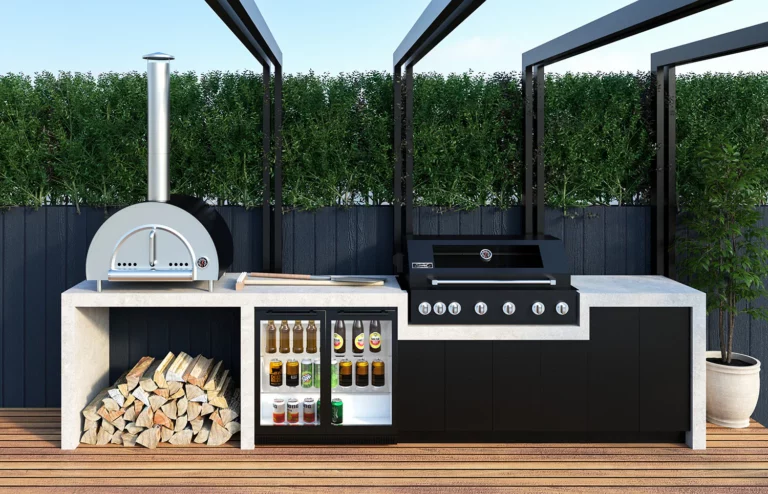
Modern landscaping enhances lifestyle by blurring the boundaries between interior and exterior spaces. Patios, pergolas, and outdoor kitchens become true extensions of the home when designed within a modern framework.
Technological Control and Automation
From app-controlled lighting to motion-sensor water features, modern landscapes offer smart control systems. These enhance convenience, safety, and ambiance, especially during evenings and seasonal changes.
Real-World Modern Landscape Design Examples
1. Linear Poolside Landscape with Concrete Pavers and Native Grasses
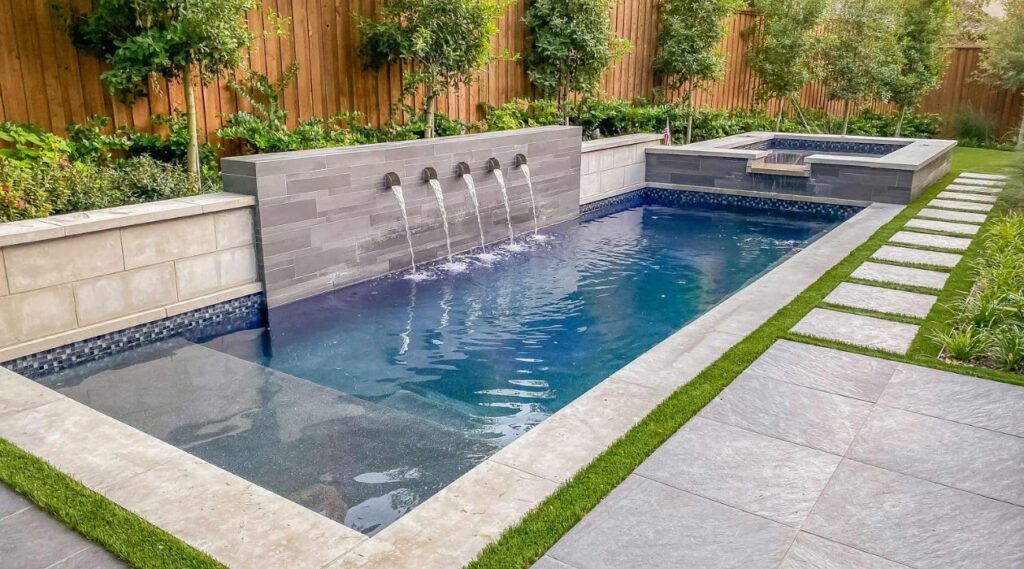
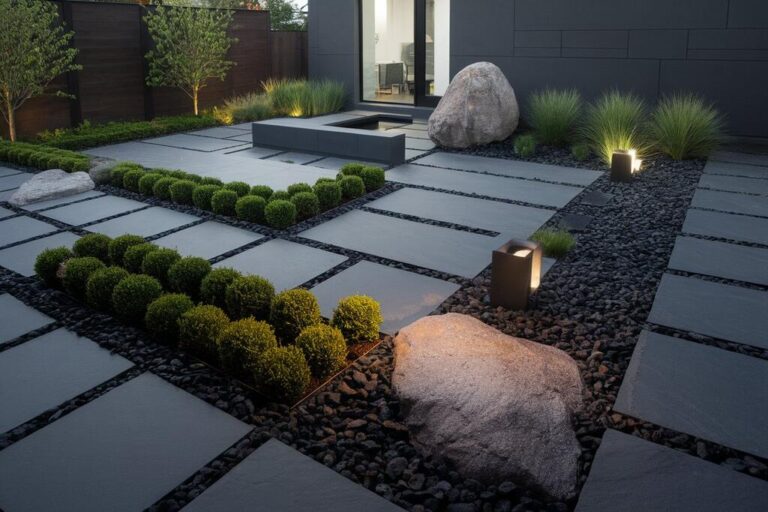
This backyard in Palm Springs, California, showcases an award-winning poolside layout with smooth concrete pavers arranged in geometric grids. The space is framed by California native grasses and architectural agave plants. This design embraces symmetry and texture while providing a walkable, stylish environment.
The use of gravel mulch reduces water evaporation, while automated LED lighting embedded in the pathway edges adds a sophisticated glow at night. The overall concept proves that modern landscaping can be both sustainable and striking.
2. Rooftop Garden with Modular Planters and Steel Pergola
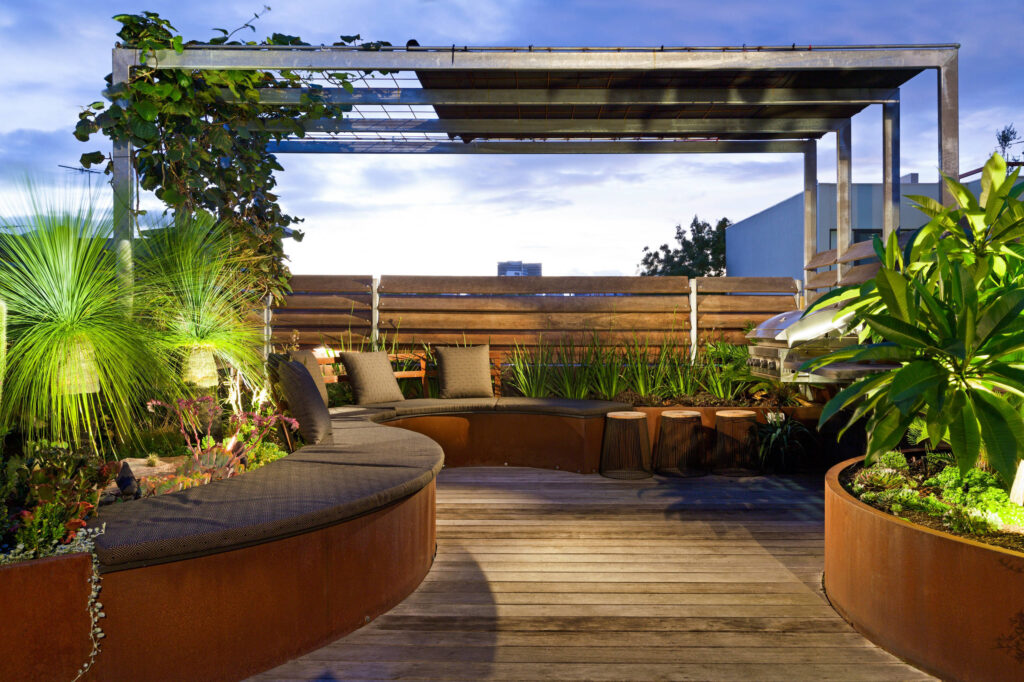
An urban townhouse in Chicago features a rooftop retreat designed with lightweight modular planters, a steel-framed pergola, and vertical garden walls. Drought-tolerant succulents, herbs, and ornamental shrubs thrive in raised beds with smart drip irrigation systems.
The rooftop includes built-in bench seating, composite wood decking, and subtle underlighting. The result is a private oasis that maximizes space without overwhelming the structure or requiring constant upkeep.
3. Smart Courtyard Landscape with LED Strip Paths and Corten Steel Walls
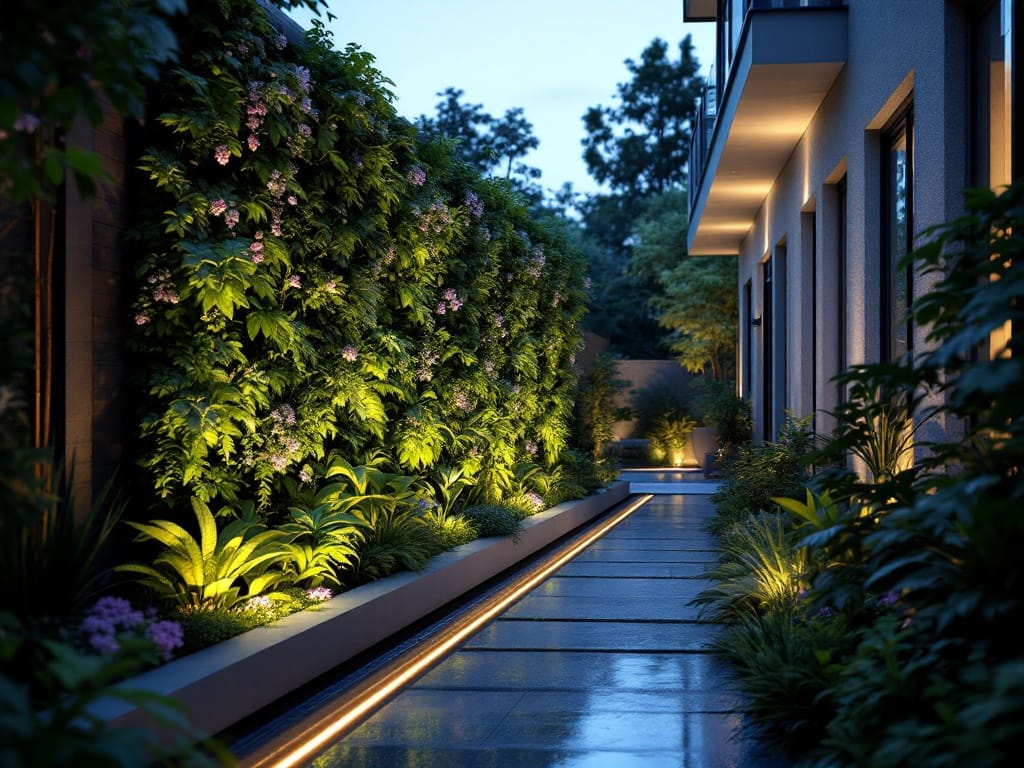
In Austin, Texas, a modern courtyard was built using corten steel retaining walls, LED strip lighting, and polished concrete walkways. Low-growing plants like blue fescue and sedum are used to fill raised beds, enhancing textural contrast and creating depth in a compact space.
Motion sensors control the lighting, which subtly turns on during twilight hours for both safety and atmosphere. This example highlights how technological enhancements can elevate modern outdoor experiences.
4. Zen-Inspired Minimalist Backyard with Gravel and Bamboo Screening
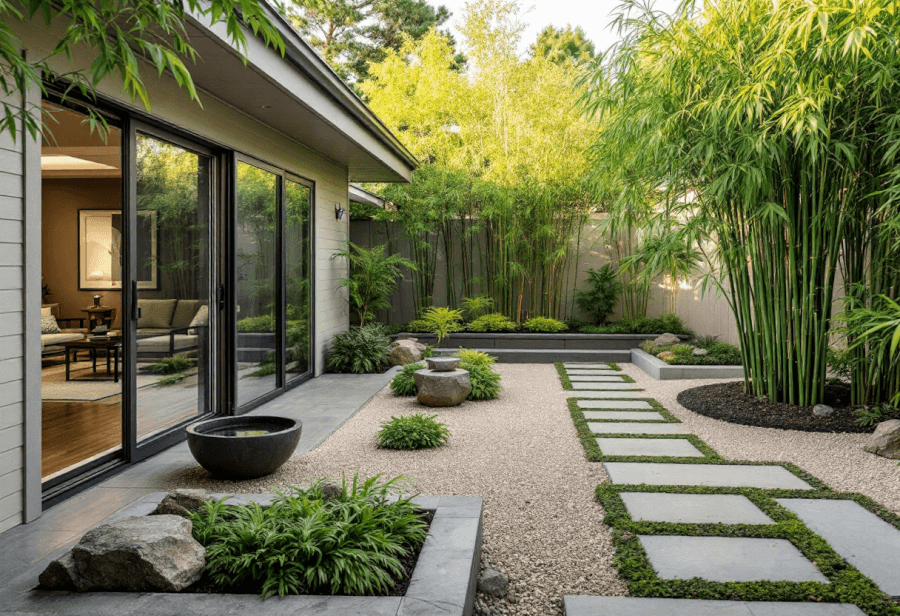
Inspired by Japanese minimalism, this Los Angeles backyard integrates raked gravel, basalt stepping stones, and bamboo screening to create a serene, meditative atmosphere. The plants are carefully curated for form—tall horsetail reed, moss, and dwarf pines.
This layout is ideal for homeowners seeking low-maintenance, peaceful garden zones without traditional lawn or high-maintenance flora. Water-efficient design and shade structures add to the usability throughout the year.
5. Integrated Outdoor Living Room with Fire Pit and Floating Deck
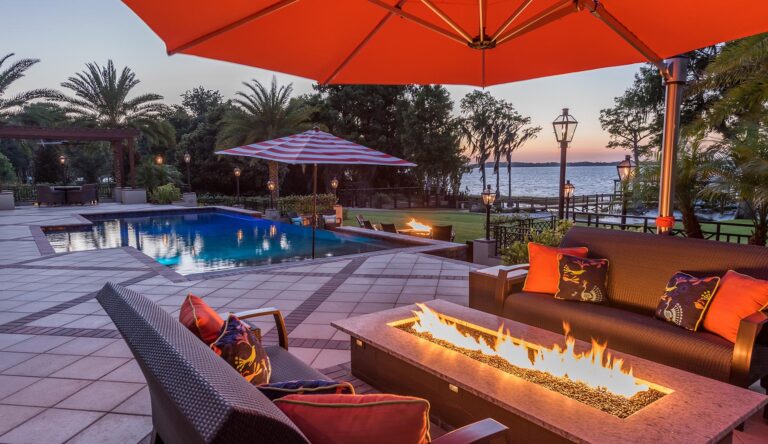
A Seattle residence showcases a floating hardwood deck that connects to the home’s interior via sliding glass doors. The design incorporates a sunken fire pit, angular lounge furniture, and weather-resistant landscaping like sedum and ornamental grass.
The deck lighting is controlled via a smartphone app and programmed for seasonal adjustments. This setting is a perfect example of how modern landscape architecture creates inviting, livable outdoor environments that double as entertainment hubs.
Common Use Cases and Problems Solved by Modern Landscape Design
Urban Space Optimization
In dense urban areas where space is limited, modern design solutions such as vertical gardens, rooftop terraces, and modular furniture enable homeowners to enjoy greenery without compromising utility. These layouts help maximize space usage while enhancing comfort.
Water Management and Conservation
Modern designs often solve water-related issues through strategic grading, permeable hardscapes, and drought-tolerant planting. Properties in arid climates benefit greatly from xeriscaping and smart irrigation.
Year-Round Usability
By integrating pergolas, fire features, and shaded zones, modern landscapes are usable across seasons. Families can dine, relax, and host guests comfortably, even during colder or hotter months.
Security and Aesthetic Lighting
Smart lighting systems embedded in modern designs provide both safety and ambiance. Pathways, steps, and feature walls can be illuminated with motion sensors or time-based automation, improving visibility and reducing energy costs.
Harmony with Architecture
Modern landscaping complements architectural themes through cohesive materials and geometry. Instead of clashing with the building design, it reinforces and extends the style from the inside out.
Frequently Asked Questions About Modern Landscape Design
What plants work best for modern landscape design?
Plants that thrive in modern landscapes include ornamental grasses, succulents, evergreens, and native species that require minimal maintenance. Selections like agave, blue fescue, and Japanese maple offer structure and visual impact.
Is modern landscape design suitable for small spaces?
Absolutely. Modern design principles are ideal for compact yards, rooftops, and courtyards. The focus on minimalism, symmetry, and multifunctional features helps make the most of limited square footage.
How does modern landscaping reduce environmental impact?
Through the use of native plants, permeable paving, efficient irrigation systems, and reduced lawn areas, modern landscaping promotes sustainability. It lowers water consumption, encourages biodiversity, and minimizes maintenance inputs.