Milwaukee Exterior Painters: Expert Insights, Real Use Cases, and Modern Techniques for Lasting Results
Milwaukee homeowners face seasonal swings—freezing winters, rainy springs, humid summers—that place stress on exterior surfaces. High-quality Milwaukee exterior painters do more than apply paint: they provide protective coatings tailored to local weather, use advanced tools, and offer finishes designed to keep homes resilient year-round. This comprehensive guide will explore the ins and outs of exterior painting in Milwaukee, from material science and project planning to real-world examples and the practical benefits of choosing professionals.
Understanding the Role of Milwaukee Exterior Painters
Milwaukee’s climate—characterized by ice, snow, rainfall, intense sun, and humidity—demands exterior painting specialists who understand how materials respond to freeze‑thaw cycles, moisture penetration, and UV degradation. Professional painters here offer a full-service approach: starting with thorough surface prep, proper material selection, and precise application techniques.
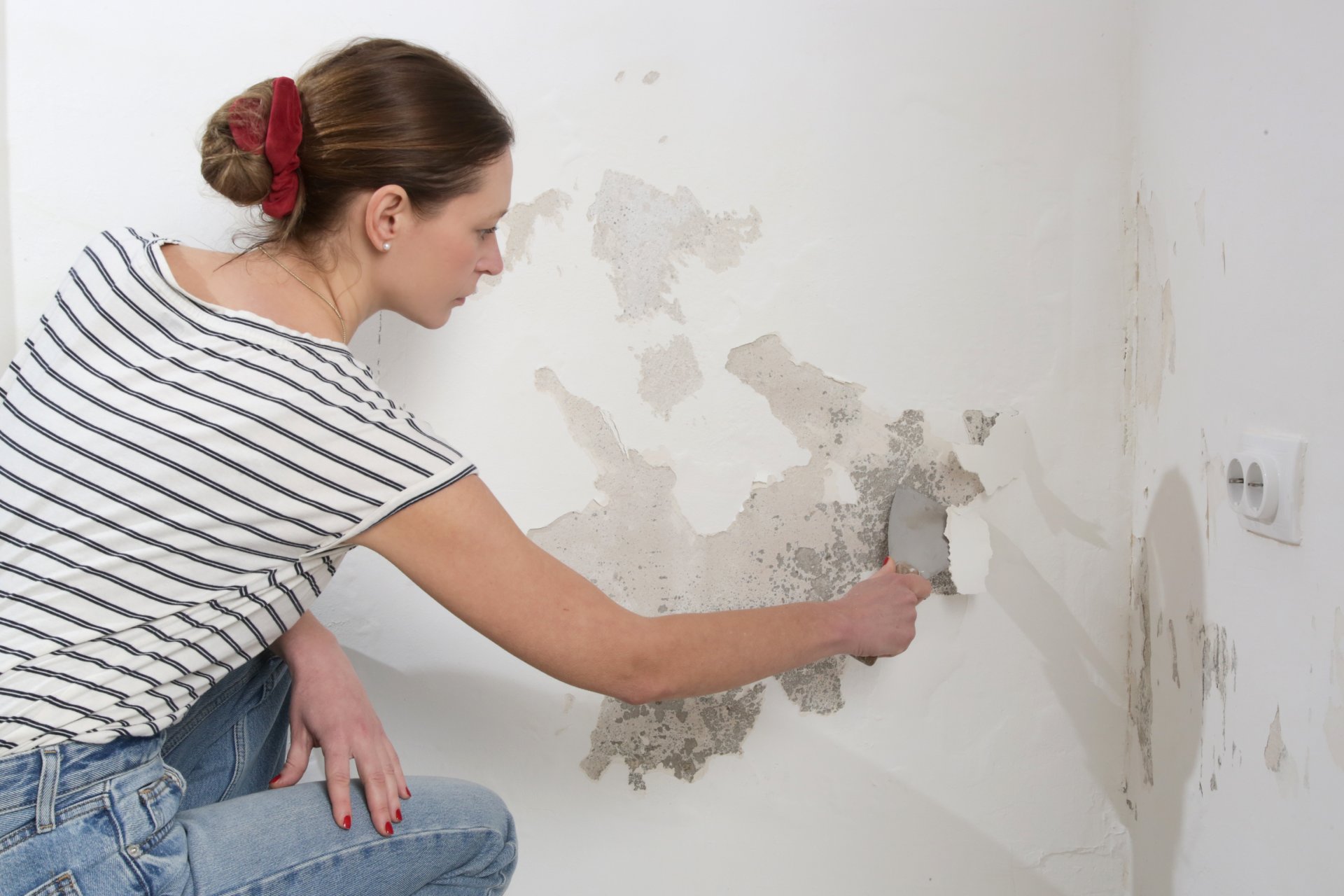
Surface prep typically includes pressure washing to remove mildew and debris, scraping and sanding of peeling paint, sealing cracks or rot, and priming with moisture-resistant base coats. The prepping phase alone can determine how long a paint job lasts—it’s not just cosmetic. By addressing structural vulnerabilities first, painters lay a foundation for coatings that endure harsh Wisconsin conditions.
Materials used in Milwaukee reflect local demands. Cold‑tolerant acrylic primers, low‑VOC paints for homeowner comfort, and elastomeric or high‑build coatings capable of handling siding expansion and contraction are common. These specialized systems can withstand winter frost and summer sun without cracking, peeling, or losing color vibrancy.
How Modern Technology Elevates Exterior Painting

Milwaukee exterior painting has embraced technology-driven solutions to ensure accuracy, efficiency, and customer satisfaction.
Digital color visualization tools allow homeowners to preview paint colors on their actual house under various lighting conditions. This reduces misinterpretation and costly repainting due to unexpected shades.
Moisture meters assess substrate dryness before painting begins—critical in the rainy fall or melting-snow spring seasons. Painting over damp wood or masonry leads to blistering and peeling, so moisture testing avoids these failures.
Project management platforms enable paint teams to share daily photos, update progress, and coordinate schedules. When sudden weather changes threaten to derail a job, these systems inform homeowners immediately, allowing better planning and less stress.
Finally, application tools like airless sprayers help deliver consistent, high-quality finishes over large exteriors, while handheld scanners verify paint thickness and coverage, especially useful when coating restoration projects or insurance-related repainting.
Historic Home in Bay View
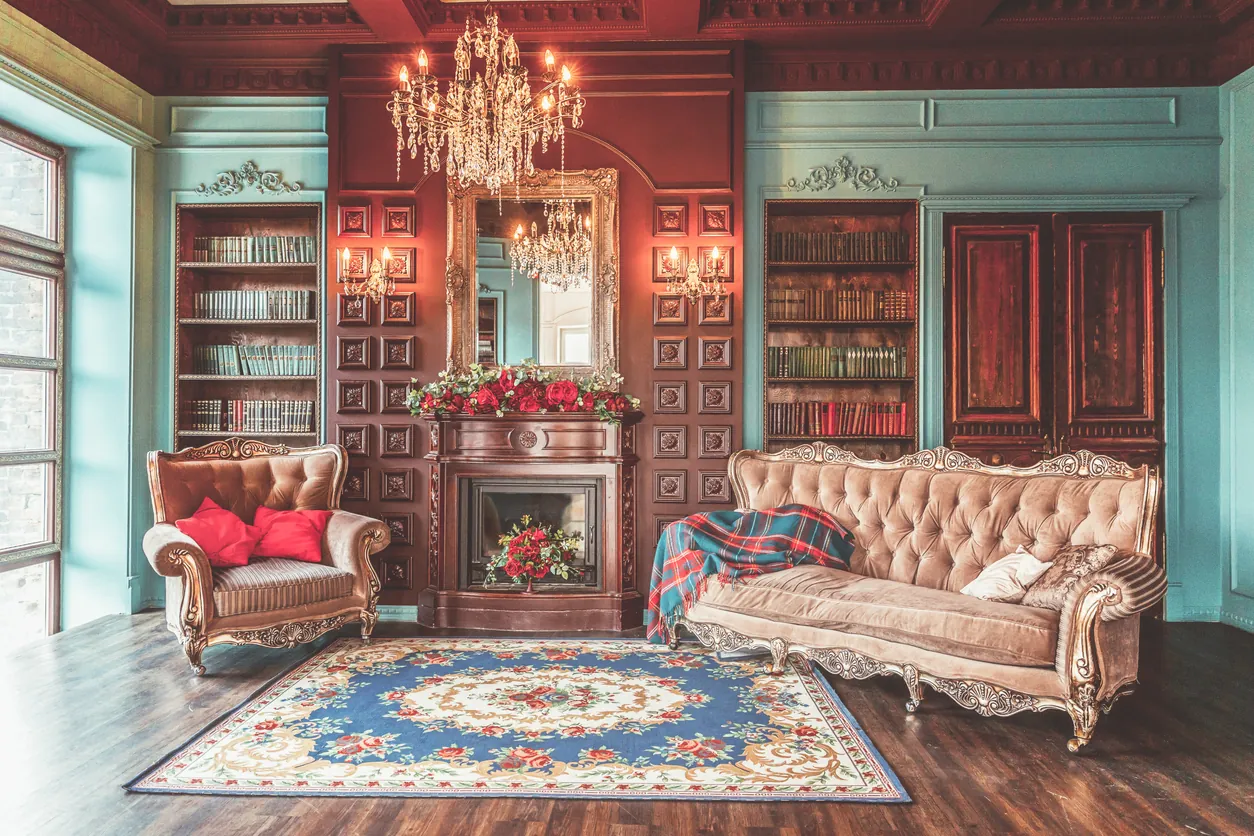
A restored Victorian in Bay View required precision repainting of decorative trim, siding, and brickwork. Painters used a high-buil, low-VOC acrylic paint for trim durability and a breathable masonry primer on the brick. Hand-brushed detailing ensured preservation of intricate patterns and architectural charm. This approach respected historic heritage while ensuring long-term performance—no peeling or moisture damage for over a decade.
Key relevance: Combining hand-detailing with modern materials helped preserve the home’s character while protecting it from rain, frost, and freeze-thaw stress.
Contemporary Ranch in Wauwatosa
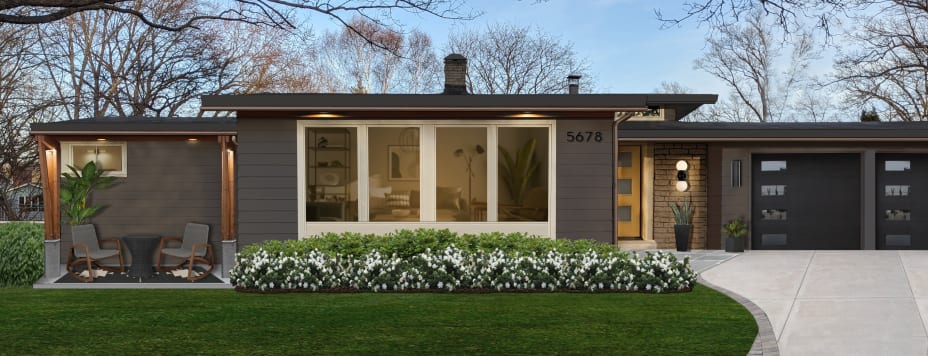
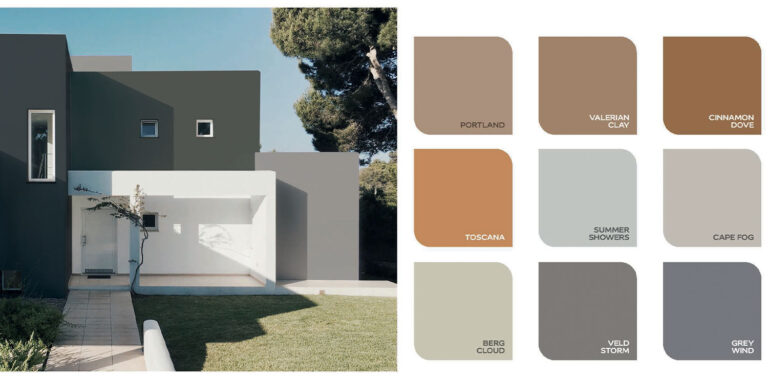
A one-story ranch home in Wauwatosa underwent an exterior refresh in neutral grays and off-whites. Painters used elastomeric siding paint to accommodate material movement, especially on overhangs and eaves. A solar-reflective topcoat reduced sun absorption, helping maintain stable paint appearance and preventing premature fading. Sprayer application created a smooth, modern finish and reduced airborne overspray through careful masking.
Key relevance: Tailored materials and techniques produced a modern look without compromising durability against sun, moisture, and seasonal shifts.
Lakefront Cottage in Shorewood
A cottage in Shorewood faced salt air corrosion and wood rot. Painters began with a deep-clean wash and anti-fungal treatment, followed by rot repair and sealed trim. They applied marine-grade exterior paint with UV inhibitors and moisture resistance. A satin finish was chosen to hide minor imperfections and be easier to clean.
Key relevance: Coastal proximity requires marine-level protection—this project shows how proper prep and materials extend the cottage’s life and aesthetic by years.
Multi‑Unit in Riverwest
A four-unit building in Riverwest needed repainting mid-occupancy. Teams used low-odor, fast-drying coatings and scheduled work section-by-section to minimize disruption. Tenants received daily updates via a portal showing progress and timing. The result was a crisp, refreshed exterior with no tenant complaints—proof that organization and communication matter as much as technique.
Key relevance: Combining modern project management and considerate planning with quality painting resulted in less friction and a superior outcome in a shared-living environment.
Brush Striping Accent Trim in Shorewood
A homeowner in Shorewood desired subtle curb appeal improvements withoua t full repaint. Professionals applied accent trim striping around windows and doors using complementary colors. This method elevated appearance, emphasized architectural details, and required minimal repaint, showing how targeted painting strategies can significantly boost visual appeal.
Key relevance: Showcases how strategic painting enhances property value and aesthetic appeal with minimal investment.
Practical Benefits of Professional Exterior Painting
Long-Term Durability and Protection
By sealing gaps, treating rot, and applying proper coatings designed for moisture and freezing, professional painting provides long-lasting protection. Paint serves as a shield against UV rays, mildew, fungus, and mechanical wear. With a high-quality application, homeowners receive 10+ years of dependable coverage instead of short-term fixes.
Enhanced Home Value and Curb Appeal
Fresh, well-executed paint is among the most cost-effective ways to enhance appearance and signal maintenance. Homes with vibrant, clean exteriors stand out, foster neighborhood pride, and often see appreciation in appraisal or quicker market absorption.
Environmental Health and Efficiency
Low- and zero-VOC paints improve indoor air quality, especially important when considering window caulking or vibration-based lead remediation. Reflective and insulating paint options can reduce heat gain and lower HVAC usage, benefiting both the environment and energy bills.
Time and Stress Savings
Hiring professionals means an accessible schedule, no material headaches, no ladder or machinery rental, and no disposal concerns. They manage everything from permits to post-job cleanup, reducing homeowner stress and increasing transparency.
Real-World Use Cases: Solutions to Common Exterior Issues
Tackling Moisture Damage and Mildew
Issue: Shaded north-side siding often suffers from mildew and soft spots after spring rains.
Solution: Painters apply mildew-resistant primer and fungicidal topcoat after pressure-washing sills. The result: clean surfaces that resist recurrence and maintain finish.
Restoring Faded or Chalked Wood Siding
Issue: Sun-exposed railings and siding are chalked and faded within years.
Solution: After sanding and sealing, a UV-reflective basecoat and finish rejuvenate color. These coatings resist fading and reduce maintenance frequency.
Preventing Freeze‑Thaw Damage
Issue: Frequent frost and thaw expansion leads to cracked masonry and drywall seams.
Solution: Elastomeric masonry coatings and flexible caulks accommodate movement without splitting, preventing water entry and winter damage.
Refreshing Real Estate Listings
Issue: Simpler improvements for homes on the market.
Solution: Accent trim updates and fresh topcoat provide noticeable aesthetic boosts, often increasing buyer interest with minimal investment.
Maintaining Historic Structures
Issue: Historic exteriors risk losing materials or failing finishes.
Solution: Painters use custom-matched low‑VOC paints and hand-brush clarity to preserve details and stay faithful to original palettes.
Frequently Asked Questions
How often should a Milwaukee exterior paint job be refreshed?
High‑quality finishes typically last 8–12 years, depending on exposure. Wooden trim may need touch-ups every 5–7 years. Northern, sunny walls can require more frequent attention. Regular inspections help catch problems early and extend lifespan.
What time of year is best for exterior painting in Milwaukee?
Late spring to early fall offers optimal temperatures (50–85°F) and humidity levels. Painting in winter risks cracking or poor adhesion; summer heat and sun can cause uneven drying. Scheduling within this window ensures better results.
How can I ensure I hire a qualified Milwaukee exterior painter?
Choose licensed and insured professionals with local experience. Check references, portfolios, and ask about their prep work, products, weather planning, and warranties. Transparent communication and written contracts are essential for peace of mind.