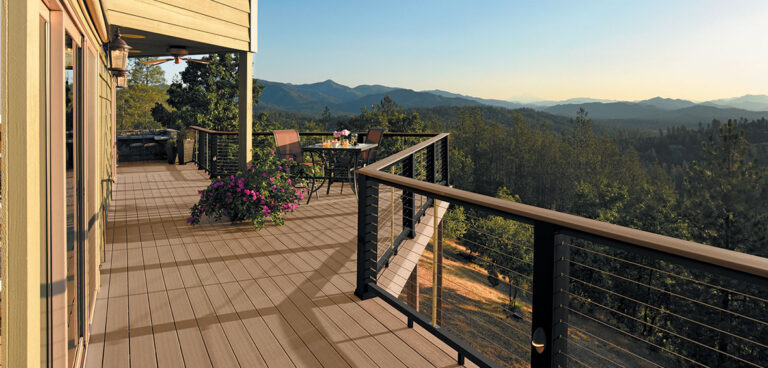
Expert Guide to Residential Exterior Painters: Techniques, Technology, and Real-World Applications
Residential exterior painters play a pivotal role in maintaining and enhancing the visual appeal and structural protection of a home. Their services are not just cosmetic but essential for preventing weather damage, wood rot, and energy inefficiency. With modern painting technologies and an increased demand for eco-friendly solutions, the industry has evolved significantly in both skill and application.
Understanding Residential Exterior Painters
A residential exterior painter specializes in painting the outer surfaces of homes. This includes siding, trims, doors, decks, fences, and occasionally outbuildings. Unlike interior painters, they must deal with environmental variables such as humidity, UV rays, rain, and temperature fluctuations.
Most residential painters begin with surface preparation, including power washing, scraping, sanding, and priming. The quality of the prep work is often the determining factor in how long the final coat will last. They also choose paints formulated specifically for outdoor use—designed to resist cracking, fading, and mildew.
These professionals must understand the nuances of different siding materials such as wood, vinyl, aluminum, fiber cement, and stucco. Each surface has its specific requirements in terms of primer and paint adhesion.
Modern Technology in Residential Exterior Painting
Today’s residential painters utilize more than just brushes and rollers. The evolution of painting technology has significantly improved application speed, durability, and finish consistency.
One significant advancement is the airless paint sprayer. This tool allows painters to cover large areas quickly and evenly, reducing labor time and improving surface penetration. Paint is atomized at high pressure, making it ideal for surfaces like stucco or rough wood.
Moisture meters and infrared thermometers also help assess wall conditions before painting. These tools ensure surfaces are dry enough to accept paint, which is critical for long-lasting results.
Low-VOC (Volatile Organic Compound) and zero-VOC paints are now standard in residential exterior painting. These products not only protect your health but are also more environmentally responsible without sacrificing performance.
Benefits of Hiring Professional Residential Exterior Painters
Professional painters offer more than just aesthetics. Their services deliver long-term value in several key areas:
Weather Protection:
Professionals know which primers and sealants are suitable for the specific climate and siding material. A high-quality exterior paint job protects against rain, sun, snow, and mold, extending the life of your home’s exterior.
Energy Efficiency:
Lighter paint colors reflect sunlight, helping reduce cooling costs. Additionally, sealing cracks and painting properly can improve insulation, preventing air leaks.
Increased Home Value:
According to real estate experts, a well-painted exterior can significantly boost a home’s curb appeal and resale price. This is especially true when professionally color-coordinated with the home’s architecture and landscaping.
Time and Cost Efficiency:
While DIY painting might seem cheaper upfront, professionals work faster, use better materials, and ensure a finish that lasts longer, avoiding the need for frequent repaints.
Real-World Use Cases and Product Examples
Sherwin-Williams Duration Exterior Acrylic Latex
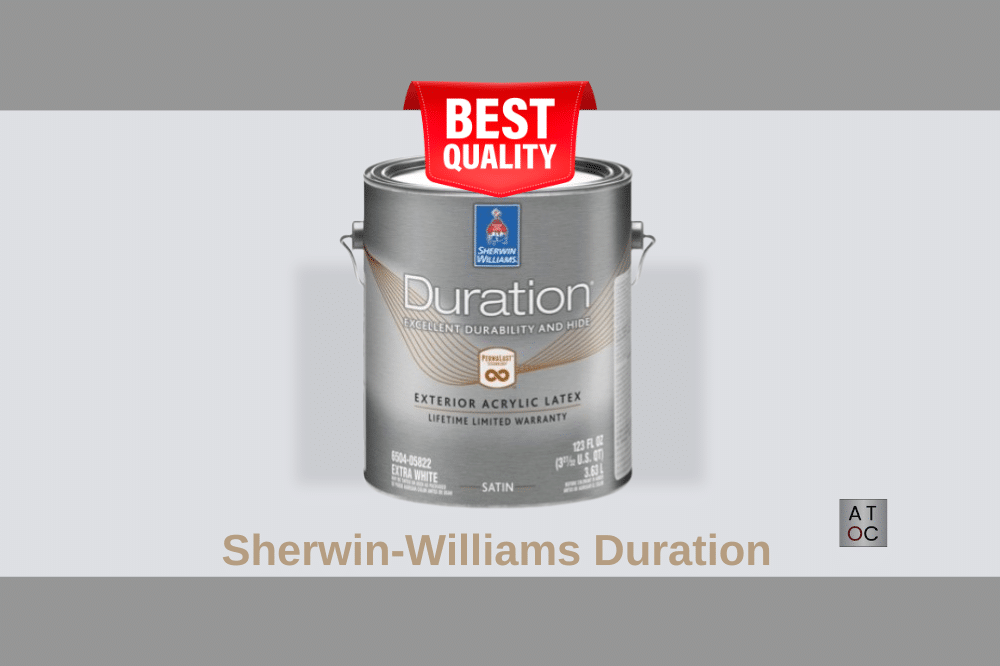
This premium paint is ideal for residential exteriors due to its advanced PermaLast® technology, which ensures excellent adhesion and durability. It’s mildew-resistant and provides a thick, self-priming coating, reducing the number of coats needed.
Relevance: This product is a favorite among residential exterior painters who value longevity and ease of maintenance. It adheres well to wood, vinyl, and masonry surfaces.
Graco Magnum X7 Airless Sprayer
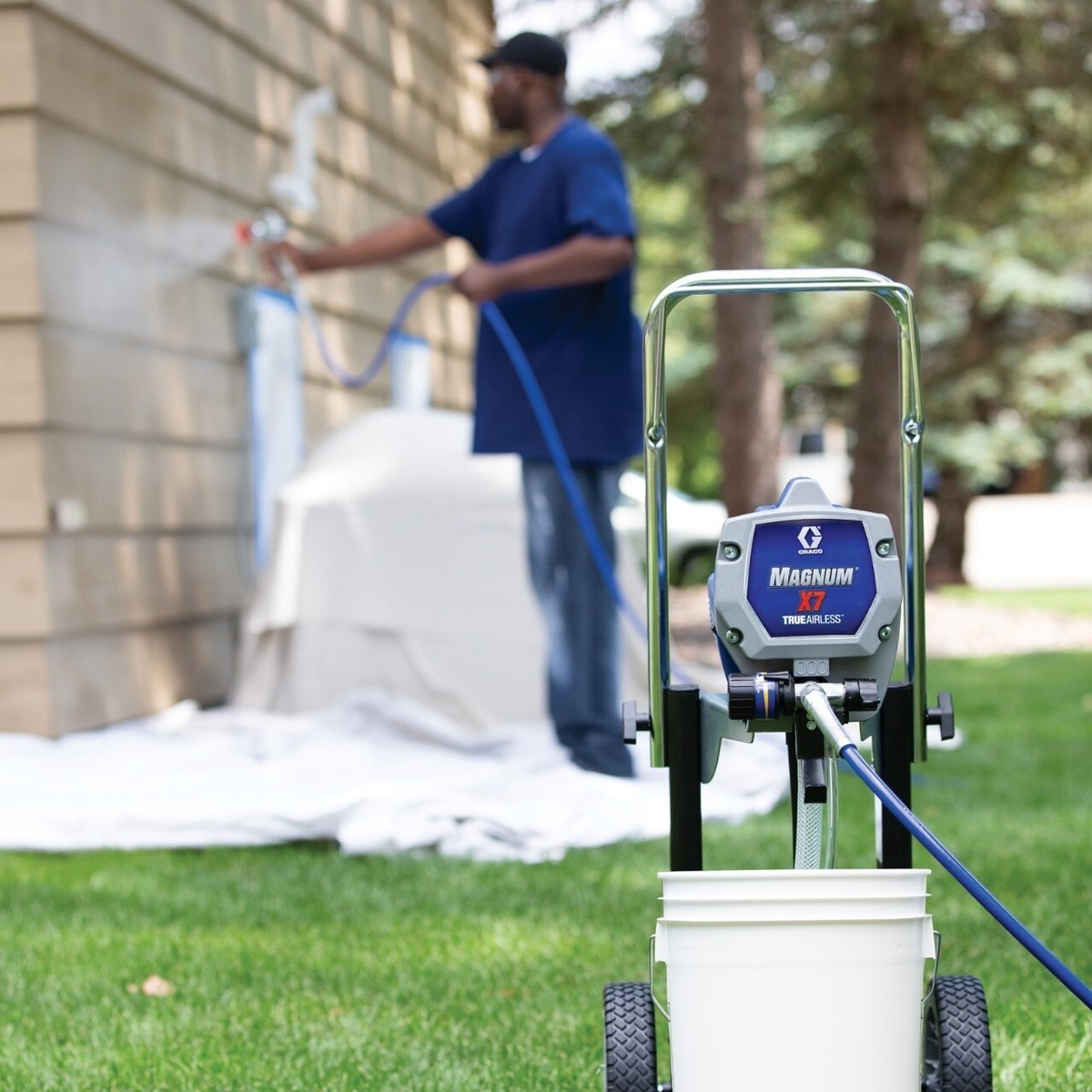
Widely used by professional painters, this machine allows efficient and smooth paint application on large exterior surfaces. It supports unthinned paints and delivers a consistent finish across wood and cement-based siding.
Relevance: It’s especially useful for mid- to large-sized residential projects and reduces painting time by half compared to traditional roller or brush application.
Benjamin Moore Aura® Exterior Paint
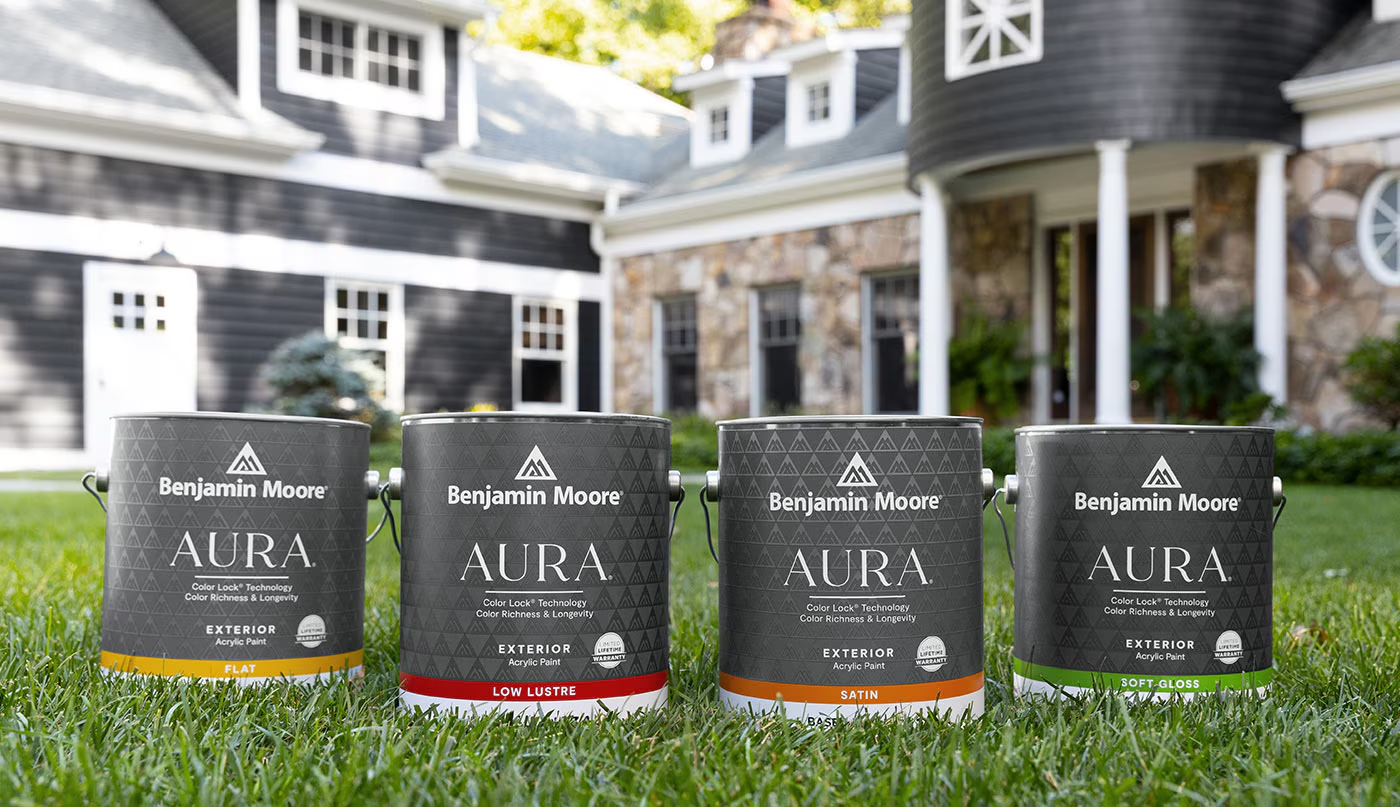
Renowned for its rich colors and resistance to fading, Aura Exterior offers Color Lock® technology and is a go-to choice for homes in regions with intense sunlight or extreme weather.
Relevance: Residential painters recommend it for homeowners wanting long-term color fidelity with fewer touch-ups needed over the years.
Wooster Pro Chinex Paint Brushes
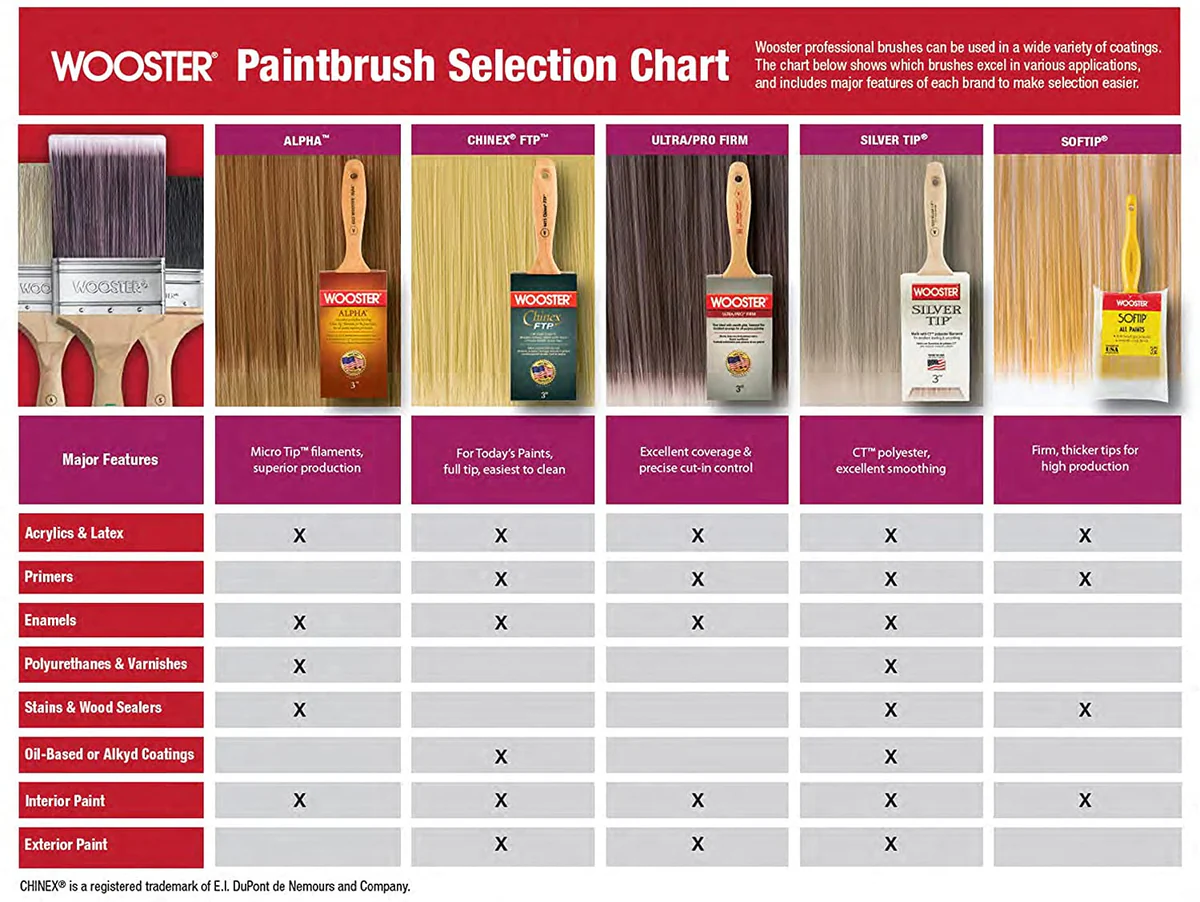
These brushes are built to handle thick, fast-drying paints commonly used on exteriors. They clean easily and maintain their shape even after repeated use.
Relevance: Professional painters often pair these with cutting-in tasks around windows, doors, and trim where precision is crucial.
3M Hand-Masker Tape and Masking Film
This product helps residential painters save time and reduce mess during exterior projects. It offers superior protection for windows, doors, and landscaping during spraying or rolling.
Relevance: It supports clean lines and prevents overspray, essential for professional-grade finishes in residential environments.
Practical Use Cases of Residential Exterior Painters
Case 1: Weathered Wooden Home in Humid Climate
A house in the Pacific Northwest suffered from peeling paint due to frequent rain and high humidity. A residential exterior painter stripped the failing coating, used a mildew-resistant primer, and finished with moisture-blocking acrylic paint. The result? The home stayed mold-free and vibrant for over 7 years.
Case 2: Curb Appeal Before Home Sale
A homeowner preparing to sell used professional painters to give their faded beige exterior a fresh slate-gray makeover. With new trim accents and a uniform, glossy finish, the home received offers 12% above asking price within weeks.
Case 3: Stucco Exterior in Hot Climate
In Arizona, a residential painter used a solar-reflective paint on a stucco house to lower surface temperature. The homeowner reported a noticeable drop in interior cooling costs and no flaking even after 3 summers.
These examples highlight the value of hiring skilled painters who understand surface prep, material compatibility, and climate adaptation.
Advantages of Using Technology in Residential Exterior Painting
Precision and Efficiency:
Airless sprayers and smart brushes allow even application, especially on textured surfaces. They reduce streaks, drips, and coverage errors.
Environmental Responsibility:
Low-VOC paints and biodegradable cleaners used by tech-savvy painters help reduce the environmental footprint. These eco-friendly practices are often paired with digital moisture readers and thermal sensors to maximize efficiency.
Data-Driven Quality Assurance:
Moisture meters and infrared tools allow painters to assess substrate readiness. Painting over wet surfaces leads to blistering or mold, which these tools help avoid.
Frequently Asked Questions (FAQ)
Q1: How often should a home’s exterior be painted?
It depends on the climate, siding material, and quality of previous work. Typically, wood exteriors should be painted every 5–7 years, while fiber cement and brick can go 10–15 years with minimal touch-ups if professionally done.
Q2: Can exterior painters work during the rainy season?
Most professionals avoid rainy periods. However, some paints cure quickly and may allow limited flexibility. Surface dryness and temperature are more critical than the season itself. Painters may schedule around clear weather windows using accurate forecasts.
Q3: Do I need to be home during the painting process?
While it’s not mandatory, it’s advisable to be present for project milestones—initial walkthrough, color confirmation, and final inspection. Trusted painters can work independently but should maintain regular communication.